26–28
MARCHFRIDAY → SUNDAY
START / FRI 26 MAR · 12:00FINISH / SUN 28 MAR · 12:00
Applications close
28 February 2027
 DELTA SURVIVAL SCHOOLCIVILIAN OPERATIONAL READINESS & RESILIENCELUXEMBOURG
LUXEMBOURG / MARCH, JUNE & SEPTEMBER 2027
UNDER PRESSURE.
48-hour physical & psychological resilience training.
Practise skills under demanding conditions.
Understand how you perform.
Three weekends. Fifteen places per edition.
Application and selection required.
Applications close
28 February 2027
Applications close
31 May 2027
Applications close
31 August 2027
Times are local to Luxembourg. The exact meeting point is sent to selected participants.
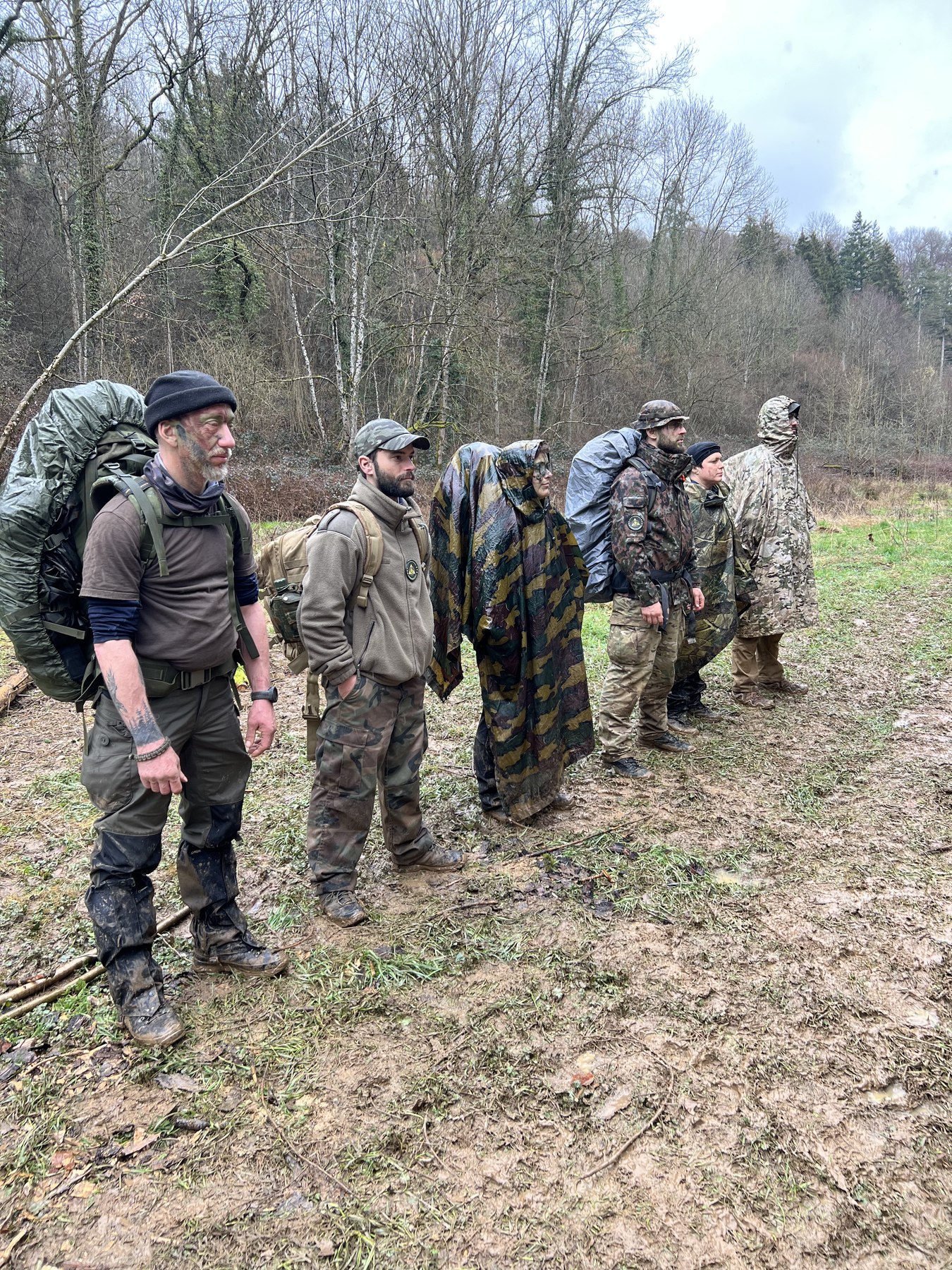
Practical skills. Demanding conditions. Direct feedback.
Hell Weekend is a civilian physical and psychological resilience training programme developed and conducted by Delta Survival School.
For 48 continuous hours, from Friday at 12:00 to Sunday at 12:00, participants live and work outdoors, complete individual and collective tasks, and apply practical skills under demanding conditions.
The programme combines physical effort, practical skills recap, field exercises, controlled pressure scenarios, observation and feedback. Fatigue, limited sleep, time pressure, uncertainty and responsibility for shared tasks form part of the experience.
Participants make decisions, manage their reactions, communicate, cooperate and work with the resources available. Instructors observe their approach and provide feedback on strengths and areas for development.
The purpose is to practise functioning when conditions become difficult and understand your performance through direct experience.
Maintain effective action through difficulty, adjust when circumstances change and recover after setbacks. Recognise a failing approach, accept corrections and return attention to the task.
Observe your responses to effort, discomfort, uncertainty and responsibility. Notice changes in concentration, communication and frustration, and recognise when you need support.
Listen to instructions, maintain attention and complete tasks carefully despite fatigue. Recognise your reactions and choose an appropriate response.
Assess the situation, establish priorities and act on available information. Reconsider your approach when conditions change, including tasks with incomplete information or time constraints.
Coordinate work, share useful information and explain what you need. Listen to others, provide mutual support and accept responsibility for shared tasks.
Organise a task, communicate clearly and consider the condition of the team. Practise both leading and following another person’s instructions.
Practise sustained effort, pacing and maintaining attention as fatigue accumulates. Lasting improvements depend on continued practice, appropriate recovery and further training.
Receive an explanation or demonstration, practise with supervision and correction, then apply the skill in a field exercise.
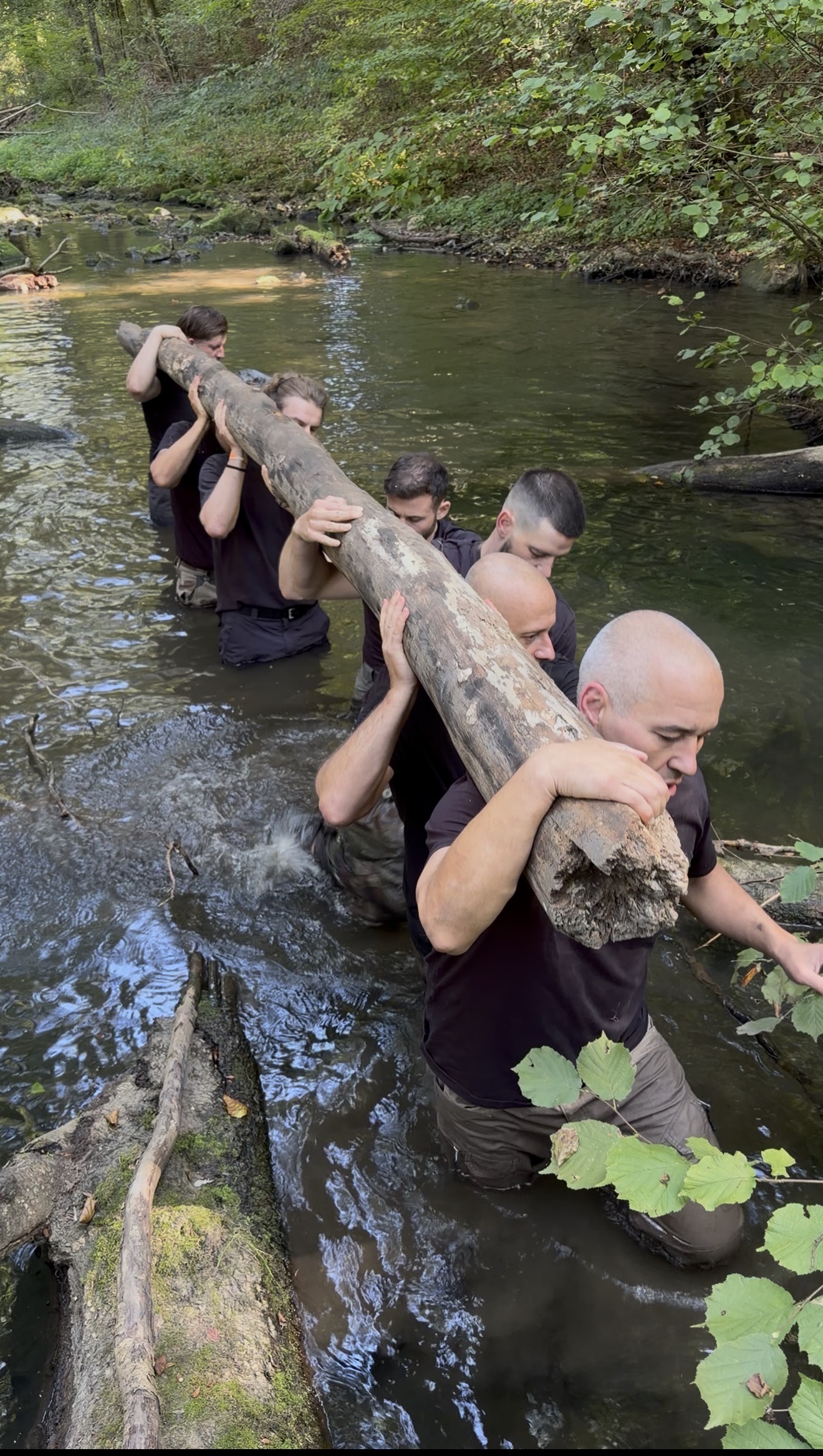
Individual physical activities and collective exercises create opportunities to observe effort management, concentration, cooperation and responses to difficulty. The exact exercises and their sequence are not fully disclosed in advance.
EFFORT · PACING · PERSISTENCEConcise instruction or recap is followed by practice and application. Camouflage, concealment and CQC are established subjects in the programme’s development. The depth of instruction depends on the subject and participants’ prerequisites, with defined objectives, supervision and exercise boundaries.
RECAP · PRACTICE · CORRECTIONBuild a forest shelter, manage warmth, organise rest arrangements, prepare food and manage equipment. Take responsibility for meeting practical needs within the exercise conditions.
SHELTER · WARMTH · RESOURCESUse coordinates to locate food supplies or other objectives. Interpret instructions, choose an approach, coordinate actions and adjust when difficulties arise, while managing effort and time.
LOCATION · PRIORITIES · ADAPTATIONApply a skill, observe the result, receive feedback and make corrections. Some exercises introduce time pressure, fatigue or additional task demands. The degree of pressure should match the learning objective and the participant’s competence.
ATTENTION · DECISIONS · EXECUTIONOrganise work, allocate responsibilities, communicate and support others. Balance your own condition with your contribution to the team, and review the effectiveness of decisions.
COORDINATION · SUPPORT · RESPONSIBILITYExplain the purpose of the skill and demonstrate the relevant principles.
Apply the skill with supervision and correction.
Complete a practical task with appropriate demands.
Examine decisions, execution, communication and results.
Establish what needs further practice.
Fire management, knife-fighting training within CQC, escape from zip ties and unlawful restraint, and interrogation-style simulations involving the protection of information appear in the programme draft. Their inclusion, terminology, learning objectives and exercise boundaries remain subject to final curriculum confirmation.
Images show previous DSS training. Activities shown in the archive are not a guarantee of the final curriculum for each edition.
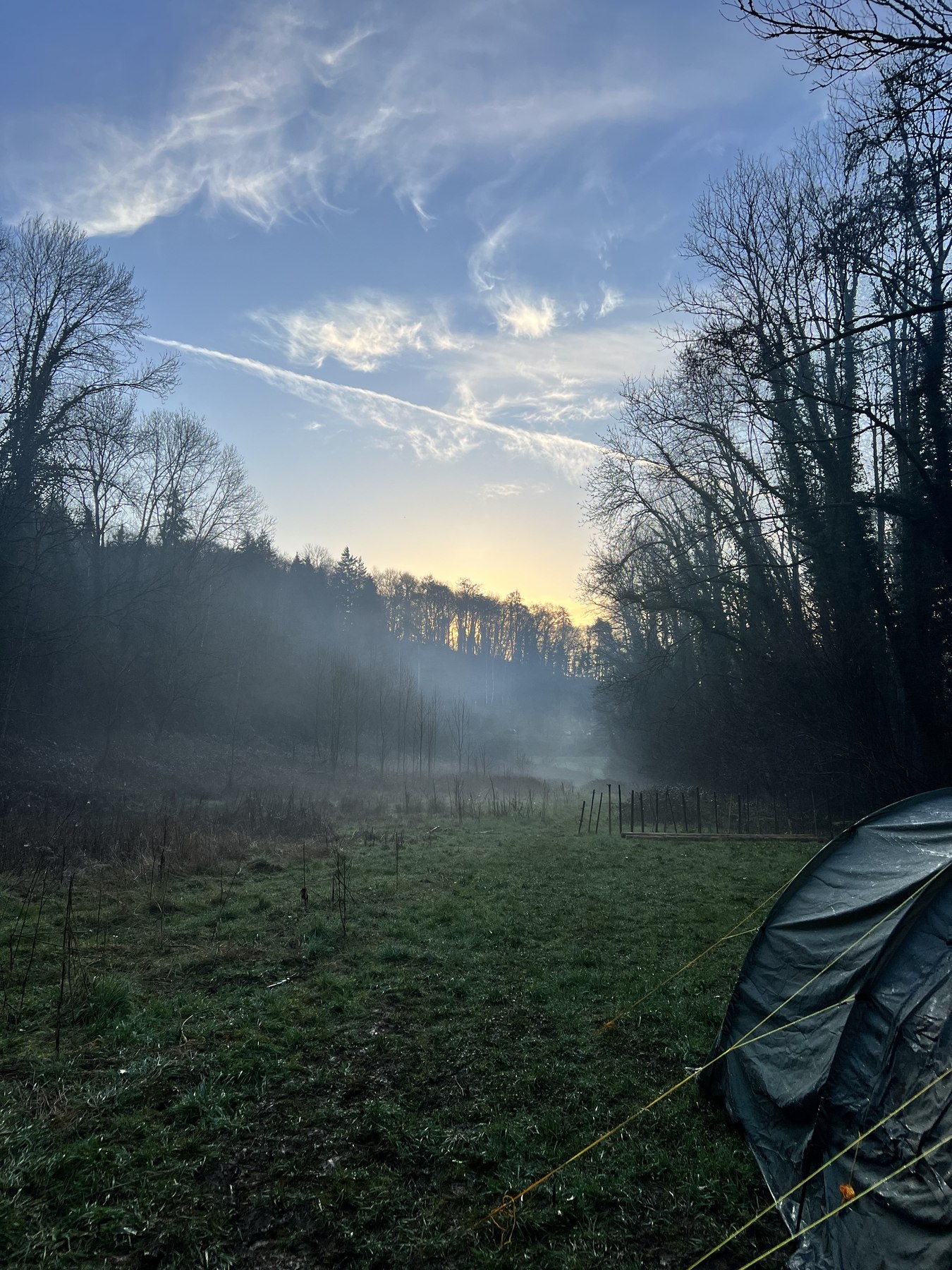
Rest, food, equipment and shared work become practical tasks.
Sleep outdoors in a forest shelter you build yourself. Establishing a place to rest and managing warmth form part of the experience.
Participants bring a sleeping mat and do not use sleeping bags. Sleep is restricted, with a limited period of rest during the night. Manage your rest, effort, equipment and living arrangements.
Food is limited. Locate food supplies using coordinates, connecting food acquisition with navigation, planning, effort and group coordination.
Prepare and cook the food yourselves. Organise the work, manage available resources and accept responsibility for shared tasks while tired and working under time constraints.
Specific events. Observed behaviour. Practical feedback.
Instructors observe task execution, concentration, communication, cooperation, decision-making and reactions to pressure throughout the event.
The individual debrief connects what happened with how you responded, what worked and what needs improvement. Use these observations to identify strengths, recognise difficulties and establish concrete priorities for further practice.
Remaining until Sunday at 12:00 is the established completion criterion. The educational value also comes from the skills practised and the feedback received.
How you apply a skill and complete a practical task.
How you maintain attention and manage behaviour under pressure.
How you assess, prioritise and use available information.
How you coordinate, listen, contribute and accept support.
How you accept corrections and adjust when an approach fails.
Performance during Hell Weekend provides information about the conditions and tasks experienced during that event. It cannot establish how someone will respond to every future emergency.
Instructor observation, evaluation and coaching are part of every participant's experience.
Hell Weekend supports civilian readiness and continued personal development. Lasting improvements depend on continued practice, appropriate recovery and further training.
Unisex S, M, L, XL or XXL. Confirm your size after acceptance.
Observation and coaching throughout the event, with personal feedback on your performance.
A DSS Certificate of Completion bearing the organisation's NCAGE code, and entry into the DSS community.
Participants cover their own travel and any accommodation before or after the event.
Participation is voluntary and subject to application and selection. Suitability is assessed through an application questionnaire for adult civilians.
The agreed stopping phrase is ABORT TRAINING. Using it ends your involvement in the event.
Supervision, exercise limits, medical arrangements, rest and resource provisions, and instructor intervention procedures remain subject to final operating-plan confirmation.
Adult civilians, aged 18–65. No military experience required. Physical and mental readiness are assessed during selection.
Complete application onlineComplete the full selection dossier on this website. Include your availability, readiness, health declaration and signed acknowledgements.
Shortlisted applicants receive instructions for a 60-second video: one take, no editing.
Selected applicants provide a medical certificate from their GP.
Accepted participants confirm their t-shirt size and receive joining instructions and the meeting point.
Clear expectations.
Informed participation.
Adult civilians aged 18–65 who pass selection. No military background is required. Physical and mental readiness are assessed, and the event is conducted in English only.
26–28 March, 25–27 June and 24–26 September 2027, from Friday 12:00 to Sunday 12:00 in Luxembourg. Applications close on 28 February, 31 May and 31 August respectively. The meeting point is sent to selected participants.
Participation is free for selected applicants. Training, a DSS Hell Weekend t-shirt, instructor observation and individual feedback form part of the experience. Participants who complete receive a DSS Certificate of Completion and entry into the DSS community. Equipment and resource provisions remain subject to final confirmation. Participants cover their own travel and any accommodation before or after the event.
Bring a sleeping mat. Participants do not use sleeping bags. Detailed equipment, rest and resource provisions remain subject to final operating-plan confirmation.
Participants sleep outdoors in forest shelters they build themselves. Bring a sleeping mat; sleeping bags are not used. Sleep is restricted, with a limited period of rest at night. Food is limited. Participants locate supplies using coordinates and prepare and cook the food themselves.
Yes. Participation is voluntary. Say ABORT TRAINING to end your involvement in the event. Detailed instructor intervention procedures remain subject to final operating-plan confirmation.
Yes. Selected applicants provide a certificate from their GP. Relevant medical conditions must be disclosed during the application process.
Instructors observe task execution, concentration, communication, cooperation, decision-making and reactions to pressure. The debrief reviews specific events and behaviour to identify strengths and priorities for improvement. Remaining until Sunday at 12:00 is the established completion criterion.
No. Filming permission is a separate, optional choice on the Selection Dossier and has no effect on selection. Participants may also ask DSS to remove their testimonial.
Yes. International applicants are welcome. You arrange your own travel, visa and any accommodation before or after the event. DSS advises personal travel insurance.
MARCH, JUNE & SEPTEMBER 2027 · LUXEMBOURG
Free. Selective. Voluntary.
PARTICIPANT FEEDBACK
Hell Weekend
Participant feedback for Hell Weekend will appear here.
Reviews will identify the edition attended.