
FIELD JOURNAL / Urban survival
What is urban survival and how does DSS train it?
A practical framework for preparation, remaining at home and planned movement when conditions change.
Updated edition of an existing DSS article. Technical statements and links have been reviewed for the new website.
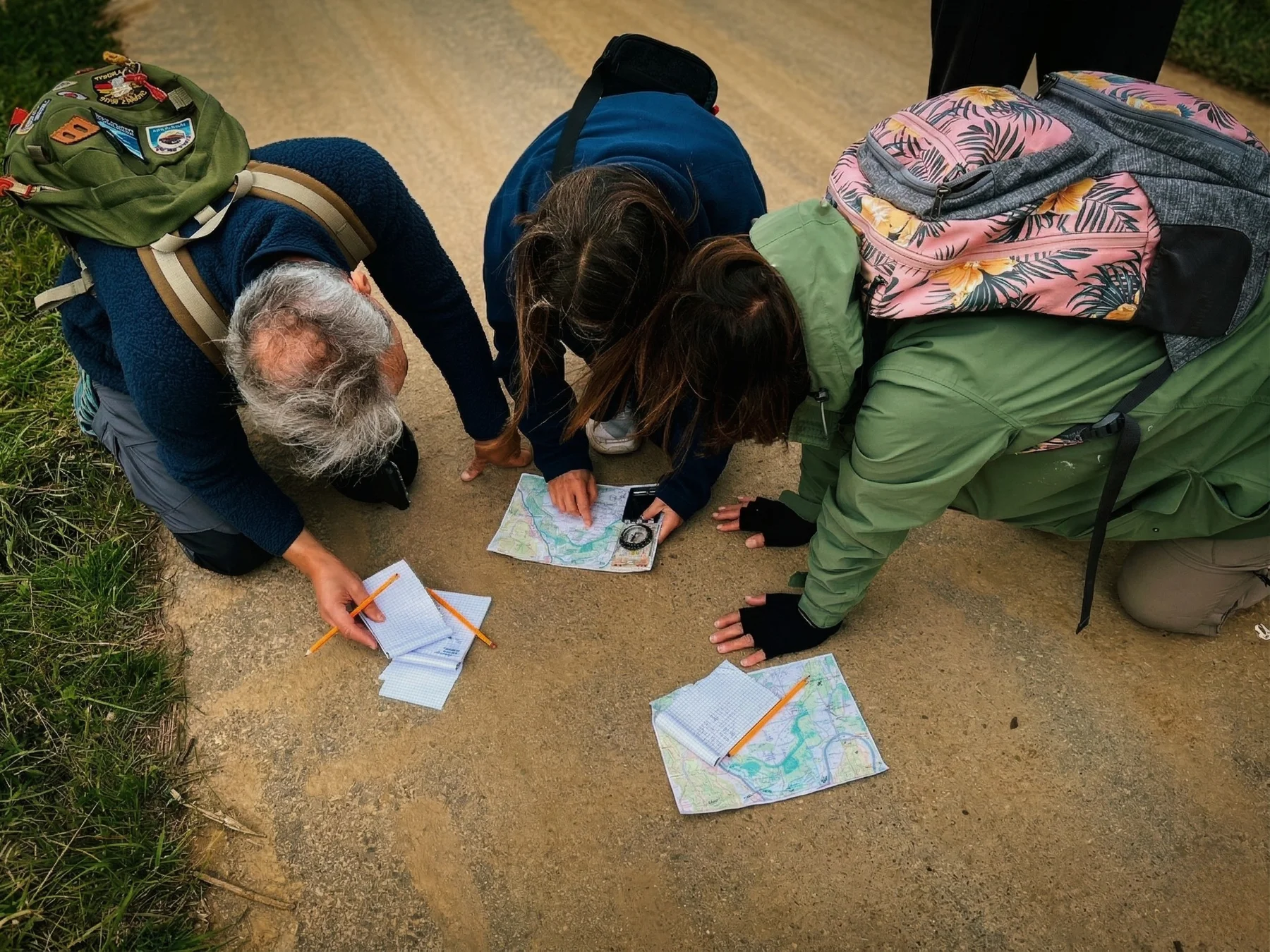
Urban survival brings preparedness skills into the places where we live and work. A power cut, severe weather, transport interruption or loss of communication can affect ordinary routines. The practical question is how to keep your household informed, supplied and able to make decisions while conditions change.
Cities provide services and infrastructure that support everyday life. Preparing for an interruption means understanding which services you depend on and having workable alternatives. The duration and effect of an incident depend on the location and circumstances. A fixed prediction about when shops will empty or how people will behave is not a reliable planning rule.
Begin with the household
List the people who depend on your plan. Consider work and school locations, medication, mobility, pets and the support you could offer or need from neighbours. Decide how you would contact one another, where you would meet and where essential information is kept.
Write the plan in a form people can use. Keep important telephone numbers available on paper, discuss more than one communication option and identify trusted sources of official information. Review the plan when your household or circumstances change.
Foundation: prepare before disruption
The DSS Urban Survival Foundation course introduces the planning stage. It connects realistic risks, household responsibilities, emergency resources and decisions about staying or leaving. The aim is a usable structure that you can practise and improve.
Bug-In: organise a safe base
Remaining at home may be appropriate when the building is safe and official instructions support that choice. Think through water, food, lighting, communication, warmth, hygiene and essential medication. Resources should fit the people who will use them.
Reassess as information changes. Flooding, fire, structural damage or official evacuation instructions can change the plan. During a chemical incident, authorities may advise sheltering indoors rather than going outside. Follow incident-specific instructions.
Bug-Out: prepare for movement
If leaving becomes necessary, preparation helps you choose a destination, route, transport option and equipment. Plan alternatives and consider the needs of everyone travelling with you. Movement should respond to the actual hazard and official guidance.
DSS Bug-Out training applies navigation, equipment preparation and overnight resource management in supervised field exercises. The current course page explains the format and joining information.
Practise and review
Read the plan together. Check whether you can locate your supplies and use the equipment. Review a simple simulated situation, such as a power cut while family members are apart. Record what needs changing. This is practice for a hypothetical disruption, not a forecast of a particular event.